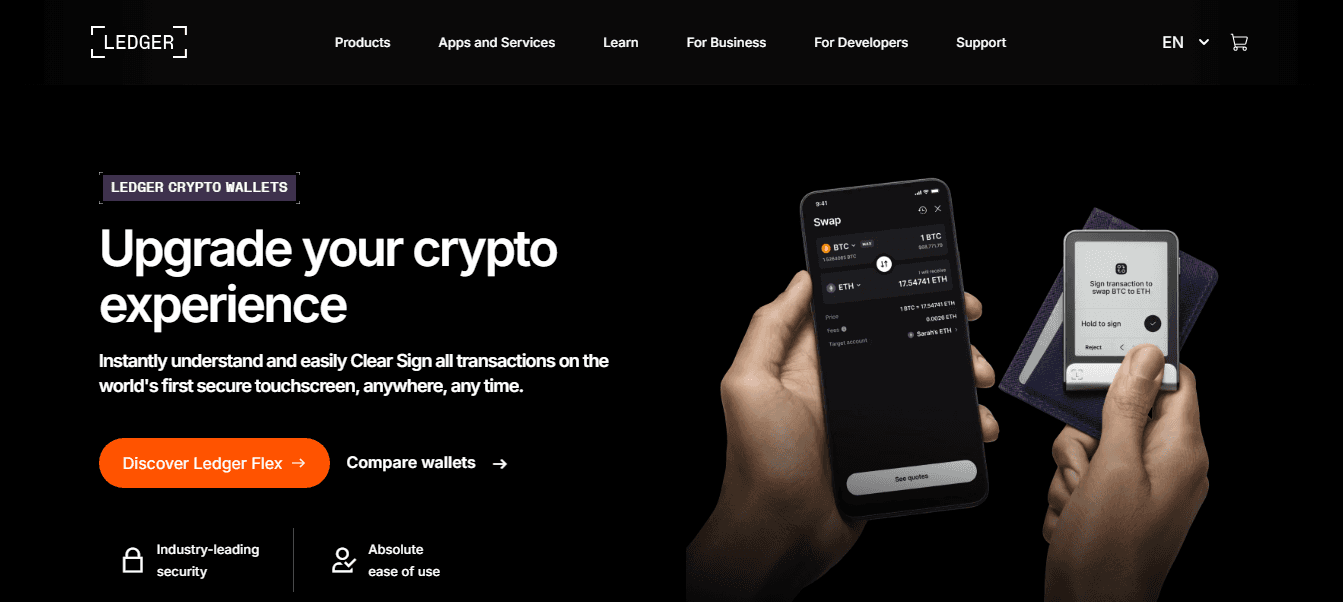
Ledger.com/start: A Step-by-Step Guide to Safely Begin With Ledger Wallet
Ledger.com/start is the official setup gateway for Ledger hardware wallets, created to help users securely initialize their devices and protect their cryptocurrency from the very beginning. As digital assets become more valuable, following the correct setup process is essential. Ledger.com/start ensures users avoid fake software, phishing attempts, and configuration mistakes that could lead to asset loss.
Introduction to Ledger.com/start
Ledger.com/start is a trusted onboarding page developed by Ledger for new and existing wallet users. Instead of relying on third-party tutorials or random search results, this page provides verified instructions directly from the manufacturer. It guides users through installing official software, connecting the device, updating firmware, and creating a secure wallet environment.
What Makes Ledger.com/start Important
The cryptocurrency space is a frequent target for scams, especially during wallet setup. Fake websites and malicious applications often imitate popular wallet brands. Ledger.com/start protects users by serving as a single, authentic source for the setup process. It ensures that users interact only with genuine Ledger tools and complete essential security checks before storing funds.
Overview of Ledger Hardware Wallets
Ledger hardware wallets are physical devices designed to store private keys offline. Unlike online wallets or exchanges, Ledger devices keep sensitive data isolated from the internet. This approach greatly reduces exposure to hacking, malware, and phishing attacks. Ledger wallets give users full ownership of their assets, with no reliance on third parties.
Supported Ledger Devices
Ledger.com/start supports multiple Ledger models, including Ledger Nano S Plus and Ledger Nano X. Each device offers different features, but all follow the same security principles. When users select their device model on Ledger.com/start, the platform provides customized setup instructions to match the selected wallet.
How to Begin the Setup Process
Checking the Packaging
Before connecting the device, users should carefully inspect the Ledger box. The package should be sealed and free from damage. Ledger devices are shipped without pre-generated private keys, ensuring that no one has accessed the wallet before the user completes the setup.
Connecting the Ledger Device
Using the original USB cable or Bluetooth connection, connect the Ledger wallet to a computer or supported mobile device. Open a browser and manually type Ledger.com/start into the address bar. This ensures users land on the official setup page rather than a fraudulent website.
Installing Ledger Live
Ledger.com/start guides users to download Ledger Live, the official application for managing Ledger wallets. Ledger Live allows users to view balances, send and receive cryptocurrency, install apps, and manage device settings. Downloading Ledger Live through the official setup page is critical for security.
Firmware Installation and Updates
After installing Ledger Live, users are prompted to install or update device firmware. Firmware controls how the Ledger wallet operates and includes important security protections. Updating firmware ensures the device has the latest security patches and supports new features. All firmware actions must be approved on the device screen.
Creating and Backing Up the Wallet
Generating the Recovery Phrase
During setup, the Ledger device generates a 24-word recovery phrase. This phrase is the master key to the wallet and provides full access to all stored assets. It is displayed only once and must be written down carefully during setup.
Safe Storage of the Recovery Phrase
The recovery phrase should be written on paper and stored in a secure, offline location. It should never be saved digitally, photographed, or shared with anyone. Anyone with access to this phrase can control the wallet and transfer funds without permission.
Strengthening Security After Setup
Setting a Secure PIN
Ledger.com/start guides users to create a PIN code for their device. This PIN protects the wallet from unauthorized physical access. Choosing a strong and unique PIN is essential, especially if the device is lost or stolen.
Keeping Software Up to Date
Regular updates to Ledger Live and device firmware are important for long-term security. Updates often include performance improvements, expanded asset support, and protection against newly discovered threats. Users should check for updates periodically.
Common Mistakes to Avoid
Using Unofficial Websites
Always type Ledger.com/start directly into your browser. Avoid clicking on links from emails, advertisements, or social media, as these may lead to phishing websites.
Sharing Sensitive Information
Ledger will never ask for your recovery phrase or PIN. Any request for this information is a scam and should be ignored immediately.
Skipping Verification Steps
Device authenticity checks and recovery phrase verification steps are essential. Skipping these steps can result in setup errors or security risks.
Best Practices for Long-Term Safety
Store your recovery phrase in more than one secure location if possible. Keep your Ledger device firmware updated and verify all transactions directly on the device screen before approving. Avoid using public or untrusted computers when managing your wallet.